
Review
03h 15 min ago
Renting vs Buying: Which Makes More Sense in Today’s Economy?
Introduction: The Question Everyone Is Asking For decades, buying a home has been sold as the ultimate financial milestone. A symbol of success. A badge of adulthood. A promise of security. Parents encourage it. Society celebrates it. Banks profit from it. But today, something has changed. Across cities and countries, more people are asking a once-unthinkable question: “Does buying a home still make sense—or is renting actually smarter now?” With rising property prices, inflation, unstable job markets, higher interest rates, and increasing cost of living, the old advice is being challenged. This article isn’t about emotions. It’s not about tradition. It’s not about hype. This is a fact-based, real-world breakdown of renting vs buying in today’s economy—what the numbers say, what the risks are, and which option truly makes sense depending on who you are and where you are in life. Section 1: Why Homeownership Was Always Considered “The Smart Move” To understand today’s debate, we need to understand the past. For decades, buying a home made sense because: 1. Property Prices Consistently Rose Historically, real estate appreciated over time. If you bought early and held long enough, your house was likely worth more later. 2. Rent Was “Dead Money” People believed rent was money you’d never get back, while mortgage payments were “investments.” 3. Mortgages Were Affordable Interest rates were lower relative to income, and housing costs were manageable for middle-income earners. 4. Job Stability Was Higher People stayed longer in one job, one city, even one company—making long-term homeownership practical. This logic worked—for that economy. But economies evolve. Section 2: What Changed in Today’s Economy? The financial landscape today is very different from 20 or even 10 years ago. 1. Property Prices Have Outpaced Income In many cities, house prices have grown much faster than wages. This means: Larger down payments Bigger mortgages Longer repayment periods More financial pressure 2. Interest Rates Are Higher Higher interest rates mean: Higher monthly mortgage payments Paying significantly more over the life of the loan Less affordability even for middle earners 3. Cost of Living Has Increased Food, transportation, healthcare, education, and utilities all cost more. Housing now competes with basic survival expenses. 4. Job Security Is Less Certain Remote work, freelancing, layoffs, automation, and contract jobs mean people move more often. Owning a home ties you to one location—sometimes at the wrong time. 5. Maintenance Costs Are Rising Homeownership doesn’t stop at buying: Repairs Property taxes Insurance Renovations Unexpected emergencies These costs are often ignored in “buy vs rent” conversations. Section 3: The True Cost of Buying a Home (Beyond the Price Tag) Buying a home is not just about the selling price. Let’s break it down. Upfront Costs Down payment (often 10–30%) Legal fees Agent fees Surveys and inspections Documentation costs Monthly Costs Mortgage payments Property taxes Home insurance Maintenance and repairs Service charges (for estates or apartments) Long-Term Costs Interest paid over decades Renovations Depreciation in poorly maintained areas Difficulty selling in bad markets Fact: Many homeowners only realize years later that they’ve paid far more in interest and maintenance than they would have paid in rent during the same period. Section 4: The Real Cost of Renting (And What People Get Wrong) Renting often gets a bad reputation—but let’s look at the facts. What Renting Actually Includes Predictable monthly cost No repair responsibilities No property taxes Flexibility to relocate Lower upfront costs What Renting Does NOT Include Long-term asset ownership Equity build-up Protection from future rent increases (in some markets) The Truth About “Rent Is Wasted Money” This idea is misleading. Rent pays for: Shelter Flexibility Reduced risk Maintenance-free living Just like paying for transportation or healthcare, rent is a service cost, not a failed investment. Section 5: Opportunity Cost — The Hidden Factor Nobody Talks About Here’s where the conversation gets serious. Opportunity Cost Explained Simply Opportunity cost is what you give up by choosing one option over another. When you buy a home: A large amount of money is locked into one asset That money can’t be invested elsewhere When you rent: Your capital stays flexible You can invest in: Businesses Education Stocks Retirement plans Emergency funds Fact: In some scenarios, renters who invest wisely end up wealthier than homeowners who over-leverage themselves. Section 6: When Buying Makes Sense (Yes, It Still Can) Buying a home is not a bad decision if the conditions are right. Buying makes sense if: You plan to stay long-term (7–10 years or more) Your mortgage payments are close to or lower than rent You have stable income You can comfortably afford maintenance Interest rates are reasonable You are buying for use, not speculation Homeownership works best when it fits your lifestyle and financial reality, not social pressure. Section 7: When Renting Makes More Sense Renting may be smarter if: Your income is unstable or project-based You may relocate for work or family Property prices are extremely inflated Interest rates are high You want financial flexibility You prefer investing capital elsewhere Renting is not a failure—it’s a strategy. Section 8: Psychological Pressure vs Financial Logic One of the biggest forces pushing people into buying homes is social pressure. “You’re still renting?” “When will you buy your own house?” “At least rent is not your own” But financial decisions should not be emotional. A house bought under pressure can become a financial trap. True financial success is not about ownership—it’s about stability, freedom, and sustainability. Section 9: The Global Trend — What the Data Shows Across many economies: Homeownership rates among younger adults are declining Renting is increasing in major cities Delayed home purchases are becoming normal Flexible living is preferred over permanent location This shift is not laziness—it’s adaptation. Section 10: The Right Question to Ask Yourself The real question is not: “Is renting bad or buying good?” The real question is: “Which option improves my financial health and quality of life right now?” Different people. Different stages. Different answers. Conclusion: Renting vs Buying Is Not a Competition Renting and buying are tools—not identities. Buying can build stability. Renting can build flexibility. The smartest choice is the one that: Matches your income Matches your goals Matches today’s economic reality—not yesterday’s advice In today’s economy, thinking critically beats following tradition.

Is owning a home still the ultimate dream—or has renting quietly become the smarter move in today’s unpredictable economy?
EstateGo Admin EstateGo
Leave a comment
Your email address will not be published. Required fields are marked *
Read latest story
Discover the latest stories that inspire, inform, and captivate.
Dive into a world of insightful content crafted to keep you engaged and in the know.
 08h 36 min ago
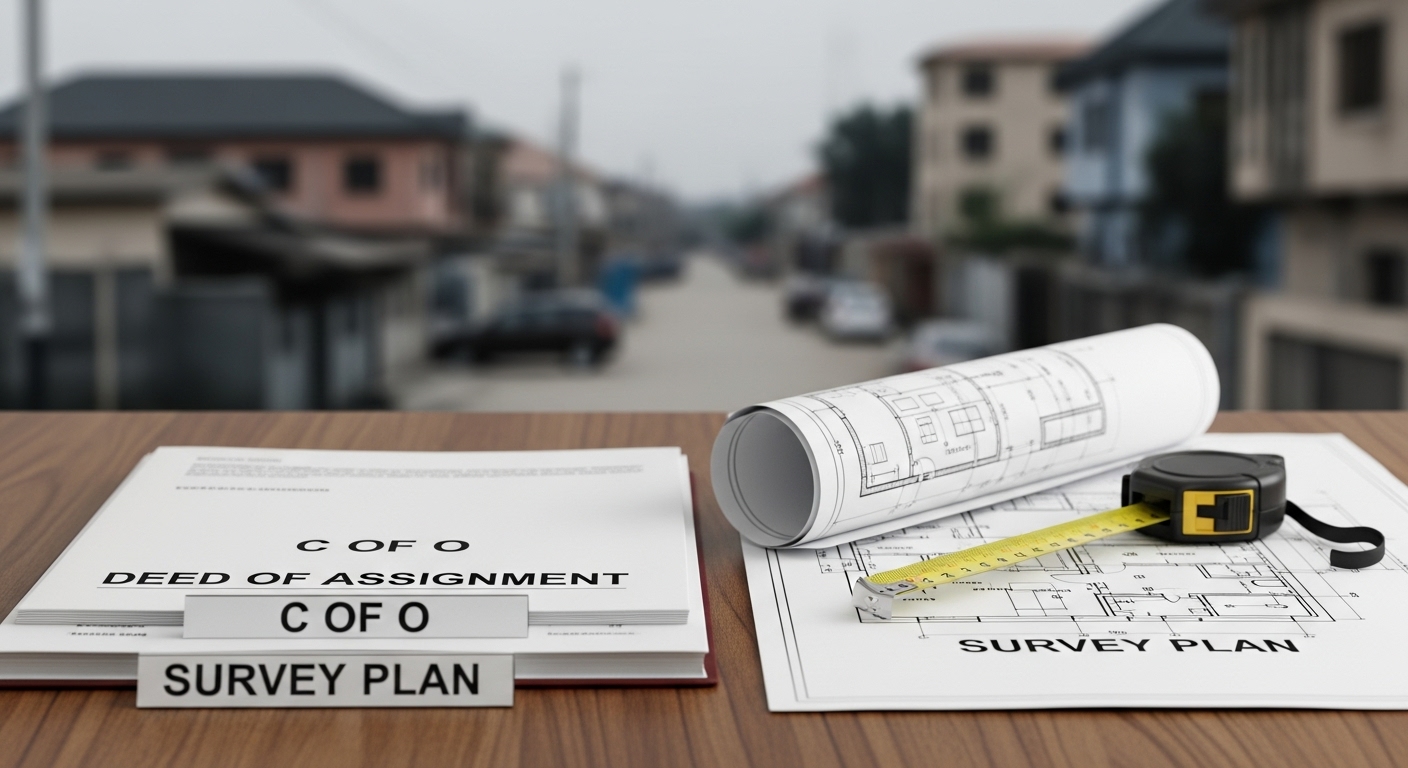
Understanding Property Documents: C of O, Deed of Assignment, and Survey Plans
Why Property Documents Are More Important Than the Land Itself In Nigeria, land ownership is not pr...
READ MORE 07h 36 min ago
Common Real Estate Scams and How to Avoid Them
Common Real Estate Scams and How to Avoid Them Real estate is one of the biggest investments anyo...
READ MORE 03h 15 min ago
Renting vs Buying: Which Makes More Sense in Today’s Economy?
Introduction: The Question Everyone Is Asking For decades, buying a home has been sold as the ult...
READ MORE
5 Comments
Ademuyiwa
Digital solutions is definitely the new standard in modern property managemen
Lucky
I am in fact grateful to the owner of this web page who has shared this wonderful piece of writing at at this time.
Ibrahim
It's clear that centralized platforms like EstateGO are the future of estate management. Love how it tackles both the operational and financial sides with equal depth
Issa Ajao
This app makes financial oversight and audits so much more efficient. EstateGO is definitely built with long-term property sustainability in mind.
Nabeel
Tracking financial transactions very important..this is a good initiative